
Ground-Level Decks That Transform Adelaide Backyards
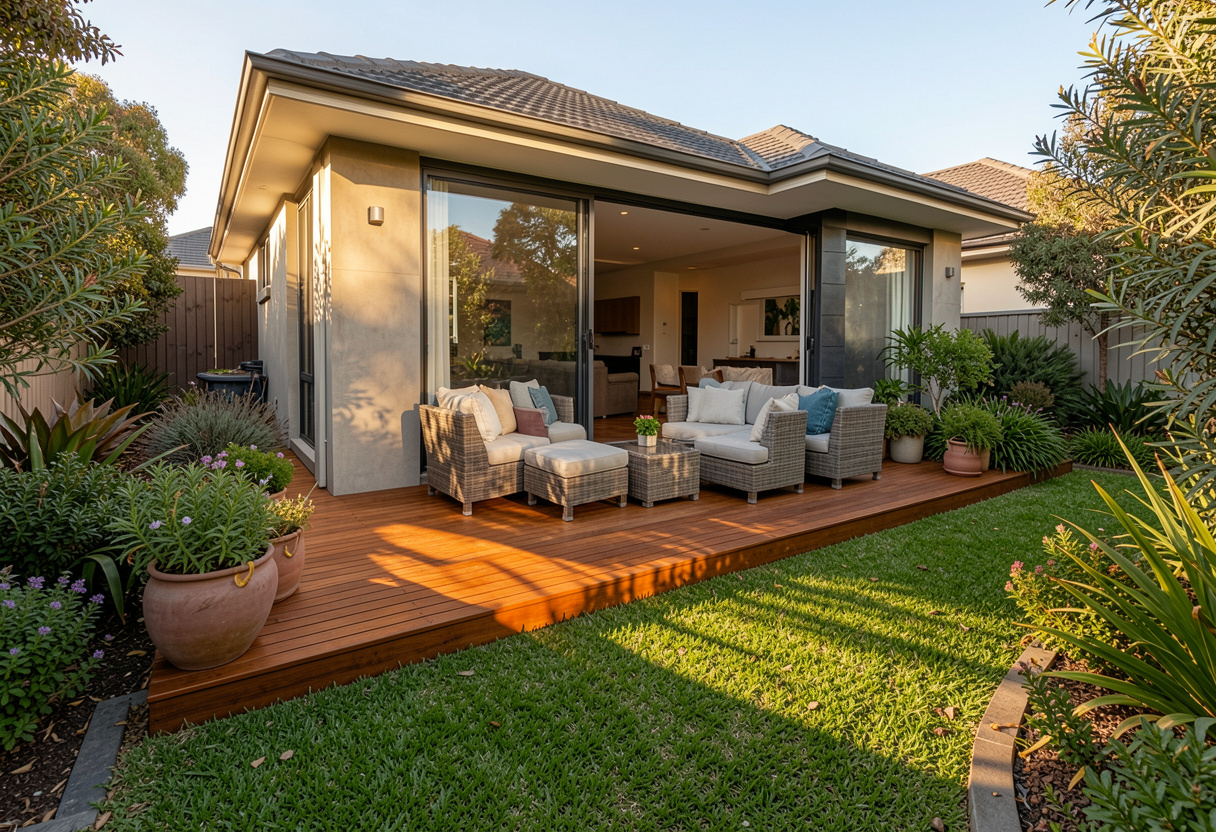
Most Adelaide backyards have more going for them than their owners give them credit for. You’ve got the flat block, the sliding door stepping out to nothing but lawn, and a rough plan that’s been sitting in the “eventually” pile for a couple of years. Sound familiar?
A ground-level deck changes all of that — and it’s probably the most practical outdoor upgrade you can make to an Adelaide home. No complex engineering, no balustrade requirements in most builds, no stair access eating into your usable space. Just a clean, defined outdoor surface that connects your living area to your garden and turns a forgettable backyard into somewhere you actually want to spend time.
We build ground-level decks right across Adelaide — from tight inner-ring blocks in Norwood and Prospect to the generous suburban yards of Morphett Vale, Golden Grove, and beyond. And even though the structure sits low, we don’t cut corners on what’s underneath it.

What Is a Ground-Level Deck?
Subframe Design and Construction
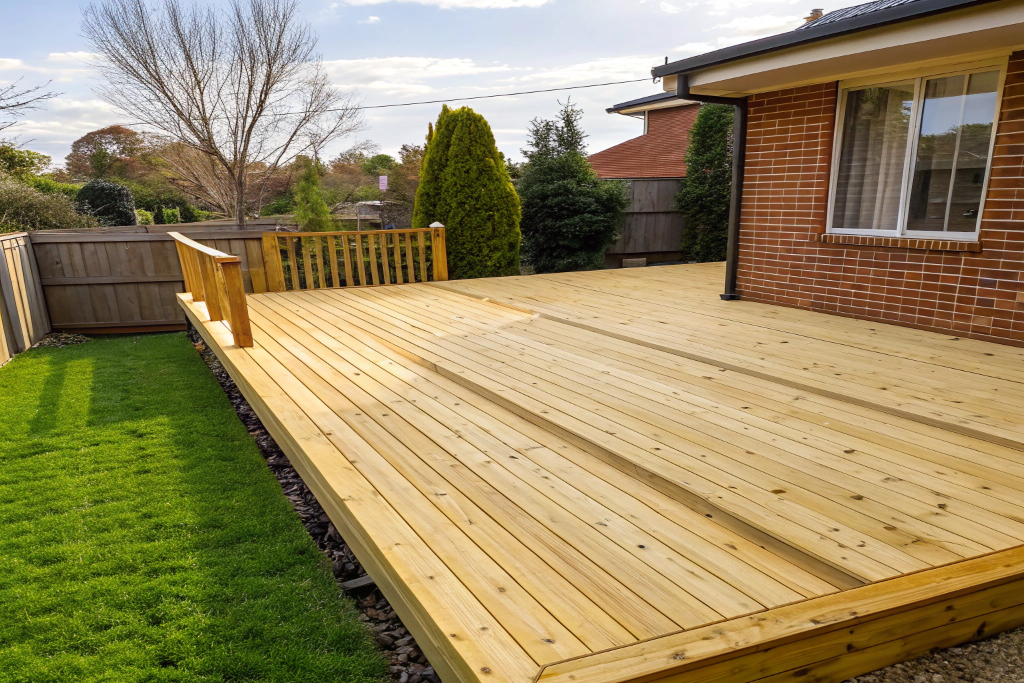
Proper subframe design is critical to the long-term performance of a ground-level deck. Undersized bearers and joists are a common cause of movement, noise, and early wear, so sizing needs to go beyond minimum standards to suit real load and span requirements. Just as important is using the correct timber treatment ratings—H4 or H5 for ground-contact conditions—to protect against moisture and insect damage, especially in Adelaide’s clay-heavy soils.
Ventilation and footing systems also play a major role in durability. Adequate airflow beneath the deck helps prevent moisture buildup, timber decay, and termite risk, even in low-clearance spaces. At ground level, footing design must also account for soil movement, with deeper or more robust systems used where needed to ensure the structure remains stable over time.

Drainage and Site Preparation
Why Drainage Matters More at Ground Level: The closer a deck sits to the ground, the less room there is for drainage errors.
Correct Fall and Site Assessment: We assess site drainage before designing the subframe and board layout on every project. Correct fall away from the home’s foundation, weed matting or concrete beneath the deck to suppress growth and reduce moisture retention — these aren’t optional extras.
Protecting the Long-Term Investment: A ground-level deck built without drainage consideration will deteriorate faster, full stop. Adelaide homeowners investing in a quality outdoor surface deserve a build that lasts — and that starts with site preparation that accounts for how Adelaide’s clay-heavy soils behave across wet winters and dry summers.
Material Choices for Multi-Level Decks
Design and Layout Options
Ground-level deck design should follow how the space will actually be used. While rectangular layouts are the most cost-effective, L-shaped or wraparound designs can better suit properties that need to connect multiple access points or flow around the home.
Board direction also impacts the overall look and feel, with options like diagonal or herringbone patterns adding visual interest and making spaces feel larger. A well-designed deck doesn’t stop at the structure—it integrates smoothly with the surrounding garden, creating a cohesive outdoor area rather than something that feels added on.
Accessibility and Inclusivity
Ground-level decks offer strong accessibility benefits through step-free or near step-free access, making them ideal for families, older residents, and those planning to age in place. With minimal height differences between indoor and outdoor areas, they create a smoother, more connected living experience without physical barriers.
They’re also more cost-effective, as they typically remove the need for stairs and balustrades. This not only improves usability and safety but also delivers better overall value for homeowners wanting a practical outdoor upgrade without unnecessary construction costs.
Material Options for Ground-Level Decks
Hardwood and Merbau Timber Decking
Timber brings natural warmth and character to a garden-level deck that composite simply can’t replicate. For ground-level applications, we recommend correctly specified hardwood or merbau with appropriate oiling and sealing schedules suited to Adelaide’s UV intensity and seasonal temperature swings. Board width and profile selection shapes the finished aesthetic significantly.
Treated Pine at Ground Level
Treated pine is a cost-effective and widely used option for ground-level decks when correctly specified and maintained. It’s workable, widely available, and performs well when sealed and maintained on schedule — making it a practical choice for homeowners working within a tighter budget who still want a quality finished result.
Composite Decking Boards
At ground level, where boards sit closer to soil and moisture, composite decking’s resistance to swelling, warping, and insect attack is a genuine advantage. ModWood and Ekodeck are strong performers in this application — low-maintenance, durable, and available in profiles and finishes that complement a wide range of Adelaide home styles.
Get Your Free On-Site Quote
If you’re ready to stop putting it off and start planning your outdoor space properly, we’d love to come out and take a look. We offer a free on-site measure and quote across Adelaide — obligation-free, no pressure, just a straightforward conversation about what’s possible on your block.
Call us or fill out the contact form to book your site assessment. We’ll assess your drainage, discuss your material options, talk through any approval requirements, and give you a clear picture of what your ground-level deck will cost and how long it’ll take to build.
Servicing all of Adelaide — northern suburbs, southern suburbs, inner-ring, Hills face zone, and coastal areas.
FAQs About Ground-Level Deck Building in Adelaide
How long does a ground-level deck last in Adelaide?
A well-built ground-level deck in Adelaide should last anywhere from 15 to 25 years depending on the materials used and how well it’s maintained. Hardwood and composite options will generally outlast treated pine, particularly given Adelaide’s harsh UV summers and the moisture that clay soils hold through winter. The subframe is usually where decks fail first — which is why getting treatment ratings and ventilation right from the start is so important. Maintained properly, a quality build in Adelaide’s climate will still be performing strongly well into its second decade.
How much does a ground-level deck cost in Adelaide?
For a standard ground-level deck in Adelaide, most homeowners are looking at somewhere between $12,000 and $35,000 depending on size, materials, and site conditions. Treated pine builds at the smaller end of that range sit closer to $12,000–$18,000, while larger hardwood or composite decks with design features and integrated garden edges can push toward $30,000 and beyond. Adelaide’s reactive clay soils can also affect footing costs if the site needs more substantial ground preparation than expected. The best way to get an accurate number is an on-site assessment — square metre rates alone don’t account for what’s happening underneath.
What's the best time of year to build a ground-level deck in Adelaide?
Autumn and winter are genuinely the best seasons to get your deck built in Adelaide, and most experienced local builders will tell you the same. Demand drops off once summer entertaining season winds down, which means better availability and sometimes shorter lead times. Ground conditions are also more stable heading into cooler months — Adelaide’s clay soils are less prone to the extreme shrink-swell cycle that summer heat drives. If you want your deck ready for the following Christmas, booking your quote in March or April puts you in the best possible position.
Can I build a ground-level deck myself in Adelaide?
Technically yes — owner-builders can construct their own deck in South Australia — but it’s worth understanding what you’re taking on before you commit. Getting the subframe right, specifying the correct H4 or H5 treatment ratings, managing drainage away from your home’s foundation, and understanding whether your project requires development approval are all areas where errors are expensive to fix after the fact. Most Adelaide homeowners who’ve priced out the materials honestly find the gap between DIY and a professional build is smaller than they expected. For a structure you’ll use daily and that affects your home’s drainage and foundation, getting it done right the first time tends to be the better call.
Can a ground-level deck be built on a slightly sloping block?
Yes, and it’s actually one of the most common scenarios we work with across Adelaide’s suburban properties. A gentle slope doesn’t rule out a ground-level deck — it just means the subframe needs to be designed to compensate for the change in level, typically using adjustable stumps or stepped bearer heights to bring the finished deck surface to a consistent level. In Adelaide’s Hills fringe suburbs like Flagstaff Hill or Aberfoyle Park where blocks start to roll a little, this is standard practice. Once the subframe accounts for the grade, the finished deck looks and functions exactly like any other ground-level build.
How do I maintain a ground-level deck in Adelaide's climate?
Adelaide’s climate is genuinely tough on outdoor timber — the UV intensity through summer accelerates surface degradation faster than most homeowners expect, and the dry-hot cycle causes timber to expand and contract significantly. For timber decks, a quality oil or sealant applied every 12 to 18 months is the single most important maintenance task you can do to protect your investment. Composite decking reduces that maintenance load considerably — a seasonal wash-down is generally all it needs. Regardless of material, keeping the area beneath the deck clear of debris and maintaining airflow underneath will do more for the deck’s longevity than anything you do on the surface.
